NICRO’s Shifting Gears Diversion Programme highlights the role of behaviour change in
addressing repeat offences, while JMPD figures show the scale and timing of drunk driving in Johannesburg.
Addressing drunk driving requires more than arrests and enforcement. Rehabilitation can
help individuals confront the behaviours and attitudes that contribute to unsafe driving, take
responsibility for their actions and make safer choices in the future.
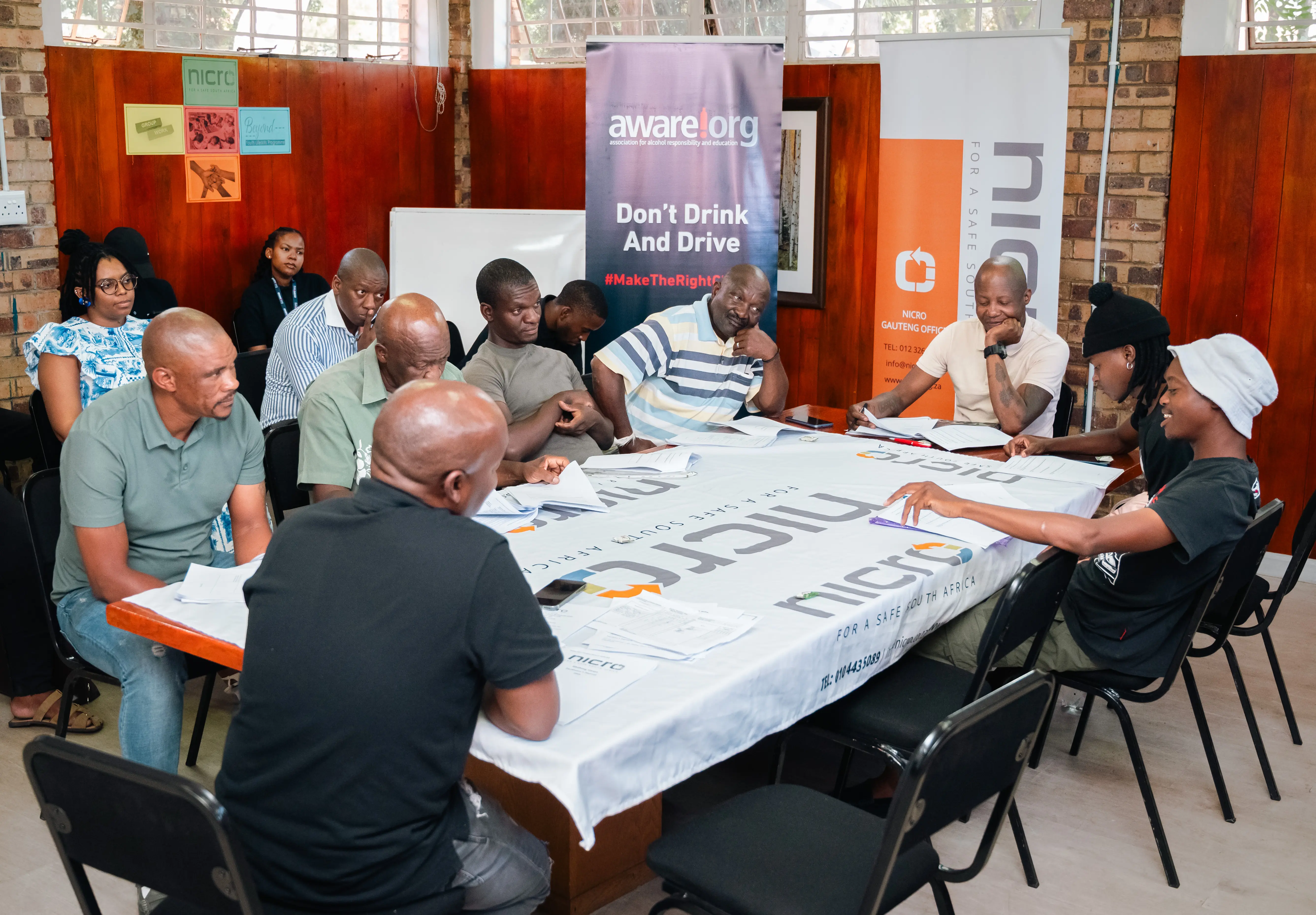
On 27 October 2026 at NICRO’s Mofolo South facility in Soweto, AWARE.org highlighted the
role of rehabilitation through its Shifting Gears Diversion Programme, delivered in
partnership with the National Institute for Crime Prevention and the Rehabilitation of
Offenders (NICRO) and the Johannesburg Metropolitan Police Department (JMPD). The
programme uses structured interventions to promote responsible driving and reduce the risk
of reoffending.
The visit included an overview of the programme’s objectives, target group and intended
outcomes, followed by a live facilitated session. Participants shared their experiences and
reflections, while facilitators discussed implementation, successes and challenges. The
programme concluded with NICRO’s perspective on the partnership and its value in
supporting rehabilitation.
“Visiting programmes on the ground is important because it allows us to see the work in
practice, understand how participants engage with the messaging and identify opportunities
to strengthen delivery,” says Mokebe Thulo, CEO of AWARE.org. “We want to understand
the reality of the people taking part and recognise the work being done by our
implementation partners. Behaviour change is not just about what we intend to achieve on
paper. It is about how people experience these interventions and whether they help them
make different choices.”
The value of the partnership was also highlighted by Samuel Tshabangu, NICRO’s Gauteng
Provincial Manager, who reflected on the programme’s impact and the importance of
continued collaboration.
“Having our funders here to see the programme in action gives them a fresh perspective on
how we work and the impact of our partnership. Listening to participants share their real-life
experiences reinforces why this work matters. We are particularly encouraged by the
programme’s outcomes: 95% of tracked participants did not reoffend within the first 12
months after completing the intervention. We value our partnership with AWARE.org and
believe that, by continuing to work together, we can make a meaningful contribution to safer
roads and more responsible behaviour,” says Tshabangu.
While this outcome does not establish that the programme alone prevented reoffending, it
highlights the potential value of rehabilitation and follow-up support alongside enforcement
and prosecution.
Shifting Gears is a six-session group programme delivered through facilitated discussions
and activities. It examines attitudes towards alcohol and driving, helping participants
consider how alcohol can affect their judgement and decision-making, as well as the
potential psychological, emotional and financial consequences of unsafe driving. These may
include the emotional toll of causing harm to others, the psychological impact of an accident,
and financial pressures associated with medical costs, vehicle damage or legal
consequences. The programme also explores the responsibilities associated with being a
road user.
Adults arrested for driving under the influence and other road-related offences may be
referred through the courts, subject to suitability. Participants complete a final assignment
and receive aftercare support, with progress tracked for up to 12 months.
Ultimately, reducing alcohol-related harm on the roads requires shared responsibility,
combining effective enforcement with interventions that encourage safer decisions and
address the behaviours that put road users at risk.
“The safest plan is made before the first drink,” says Thulo. “Anyone who has consumed
alcohol should not drive and should arrange a safe way home. Make the Right Choice.”
Reducing alcohol-related harm on South Africa’s roads requires a combination of enforcement, accountability and meaningful opportunities for behaviour change. Programmes such as Shifting Gears demonstrate the potential of rehabilitation to complement enforcement and support people in making safer decisions long after an arrest has taken place.