

If Fetal Alcohol Spectrum Disorder (FASD) is entirely preventable, why are children still being born with it across every province in South Africa?
It is a question worth sitting with. Not because the answer is complicated, and certainly not because the solution is simple, but because of what it demands of us. There is no safe amount of alcohol during pregnancy. The science is unambiguous, the evidence has accumulated over years of research, and the required intervention is clear. So why does FASD persist?
At AWARE.org, it’s a question we regularly grapple with. FASD is often framed as a rural or peri-urban issue, but the reality is far broader. Across South Africa, many women arrive at pregnancy carrying far more than medical risk. They carry the weight of poverty, isolation, harmful cultural myths and norms, and healthcare systems that are often under-resourced and struggling to meet complex social and behavioural challenges.
In late 2025, AWARE.org convened a national FASD Roundtable during World FASD Month in September. What quickly became clear in those discussions was that FASD is not only a public health issue but a societal challenge linked to patterns of alcohol use, social norms, and the broader environment in which pregnancy and alcohol intersect. Across the sector, conversations about FASD are becoming more urgent. What is increasingly clear is that awareness alone will not shift the trajectory. Prevention must be embedded in the places where women access care and support.
For many women, that place is the public health clinic. Yet conversations about alcohol use during pregnancy are still inconsistent and are not always part of the routine care. In many settings, whether these conversations happen can depend on the time available to healthcare workers, the competing pressures within the busy clinics, limited awareness about FASD, and the absence of consistent screening practices that include asking whether a pregnant woman drinks or continues to drink alcohol. It can also depend on the comfort levels of both practitioners and patients when navigating what are often sensitive and personal discussions about alcohol use.
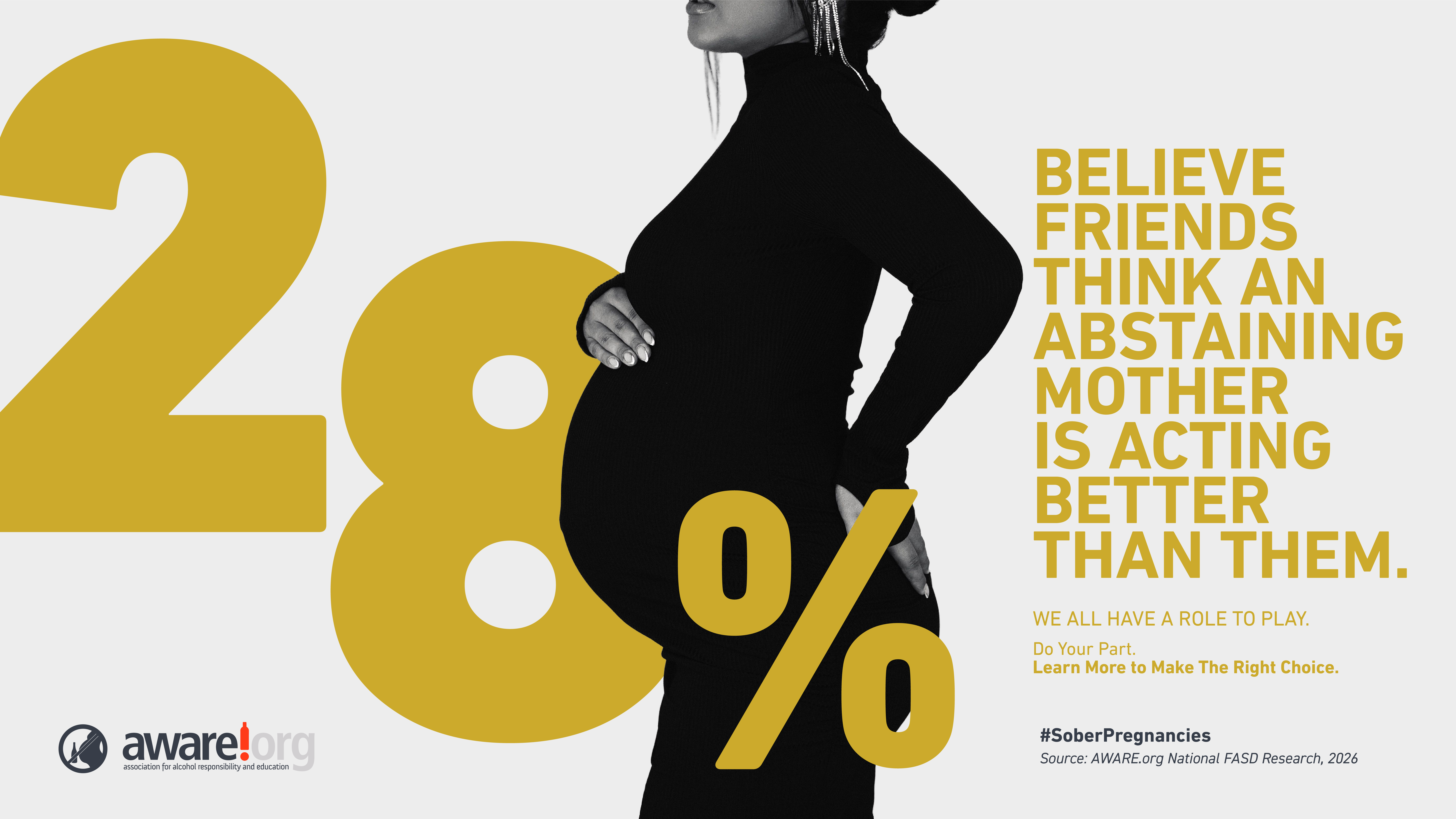
This is where prevention needs to evolve. This year, AWARE.org will begin working with 20 000 pregnant women in public clinics and healthcare professionals to advance FASD education and early prevention conversations. The goal is simple but critical: to ensure that women, their partners and families receive practical and non-judgemental information and if necessary, support, at the point it matters most.
As we marked International Women's Day on 8 March, it is worth saying plainly that much of the most important research, clinical practice, and community-level prevention work in this field has been led by women. Their insistence on grounding public health interventions in lived experience has changed what constitutes an effective intervention.
Women who have participated in our FASD programme consistently report positive outcomes. Insights from our NextGen Mothers programme, delivered by AWARE.org’s implementation partner School of Hard Knocks, show that around 95% of participants report improved emotional well-being, while a further 90% demonstrate increased knowledge of alcohol use during pregnancy. These outcomes matter because they illustrate that when people feel supported rather than stigmatised, they can make different decisions.
With that said, the systemic gaps remain a reality to surmount, and they are specific. Despite the scale of the issue, FASD screening is still not consistently integrated into all antenatal care in South Africa. These gaps mean families often navigate the long-term consequences of FASD long after opportunities for prevention have passed.
We know FASD is preventable. We have the research to tackle it. What is still needed is the collective courage to act sooner, using what we already know, in our clinics, private care settings, classrooms, communities, and, most importantly, in the conversations we start today.
Our latest Annual Report highlights progress, challenges, and efforts to enhance FASD prevention in South Africa, detailing our programmes, partnerships, and community impact. Read the full report here.
We already know what works. FASD is preventable, and the evidence is there. What remains is the responsibility to act — earlier, more consistently, and with greater empathy. Real change will come not just from policy or programmes, but from everyday conversations, supported systems, and the collective will to intervene before it’s too late.

.webp)

