The 2025/26 festive season saw the lowest number of road crashes in five years. This milestone reflects what is possible when enforcement, education, and community action work in concert. The 1,427 fatalities from 1,172 crashes show a 6.2% reduction in fatalities compared to the previous year, and the results validate a year of strategic partnership-building and coordinated intervention.
"Collaboration is the force multiplier the effect of road safety efforts," says AWARE.org CEO Mokebe Thulo. "By linking enforcement, education, rehabilitation and community awareness we can create a system that saves lives. Together, we can move beyond awareness to action changing behaviour, preventing accidents, and making our roads safer for everyone every day."
Continuous effort creates success
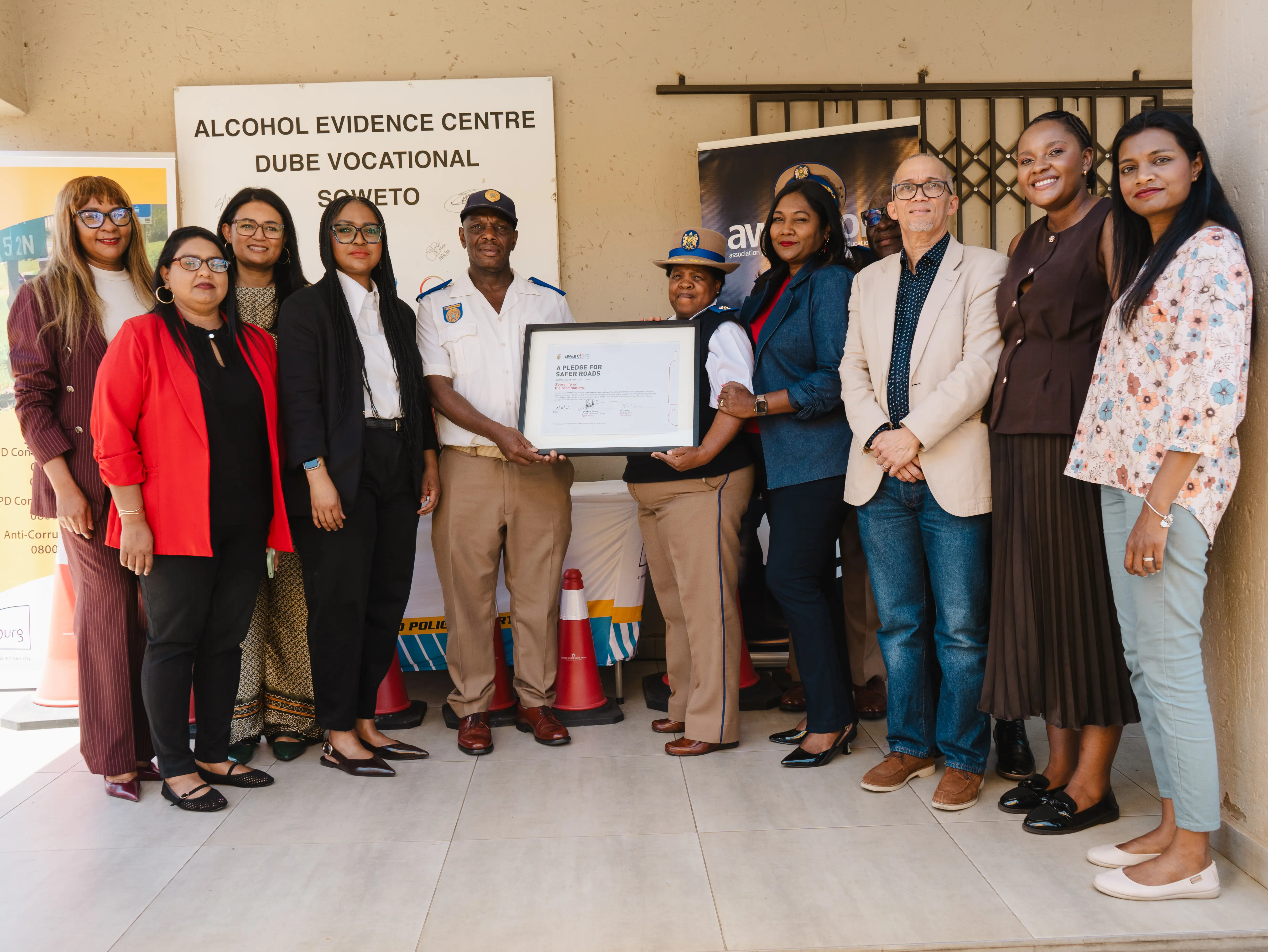
The groundwork was laid throughout 2025. In Easter 2025, AWARE.org hosted a Road Safety Roundtable, bringing together stakeholders across the road safety value chain to identify gaps and opportunities for improving road safety initiatives. In October, AWARE.org convened the Don't Drink and Drive Seminar, bringing together Deputy Minister of Transport Mkhuleko Hlengwa, law enforcement officials, and community stakeholders to co-develop a coordinated action-oriented roadmap. This work expanded partnerships with the Gauteng Department of Roads and Transport, Nelson Mandela Bay Municipality, Gauteng and Eastern Cape Liquor Boards, and strengthened collaborations with metropolitan police departments, Road Traffic Management Corporation and private sector partners.
Throughout 2025, AWARE.org made significant progress in reducing alcohol-related road incidents through a combination of enforcement, awareness, and rehabilitation initiatives. Working alongside law-enforcement partners across Johannesburg, Tshwane, Nelson Mandela Bay, and the RTMC, these efforts resulted in 7,585 roadblocks and 14,190 arrests for drinking and driving. Complementing enforcement, 127 awareness campaigns reached over 8,400 people, educating communities on the dangers of impaired driving and promoting safer road behaviour. The festive season #Shiyimoto campaign was arguably the most successful, reaching over 1.6 million people across multiple social media platforms and achieving a traditional media reach of 42,785,283
The impact of combined efforts was praised by Transport Minister Barbara Creecy, who noted that the integrated effect of law enforcement, public road safety education, and awareness initiatives across government, civil society, and community partners had made a meaningful impact this festive season.
Throughout the year, 1,328 road safety education and awareness programmes were conducted nationwide. These were complemented by unprecedented enforcement efforts, with 1.8 million vehicles stopped at 1,632 roadblocks nationwide. Of the 173,695 drivers tested for alcohol impairment, 8,561 tested positive.
“The significant increase in roadblocks demonstrate that enforcement authorities are adopting a firmer stance on road safety. It serves as a reminder that road safety is a shared responsibility: when enforcement measures are strengthened, and communities engage proactively, lives can be protected,” says Simon Zwane, Chief Communication Officer of the Road Traffic Management Corporation.
The year ahead
The festive season results mirror broader annual trends, with the annual figures being the lowest in five years. Minister Creecy announced plans to amend Section 65 of the National Road Traffic Act, moving towards zero-tolerance drunk driving legislation and, in so doing, building on the groundwork that has been laid down.
AWARE.org will continue strengthening partnerships and supporting coordinated initiatives whilst intensifying campaigns during high-risk periods. The organisation's 2026 strategy focuses on expanding the metro-based pilot programme that integrates education, awareness, and visible enforcement.
The 2025/26 festive season results are more than a statistical improvement — they are proof that sustained collaboration works. From strengthened enforcement and zero-tolerance messaging to education and rehabilitation initiatives, the combined efforts of government, civil society, and community partners are reshaping road safety outcomes.
As South Africa moves toward stricter drunk-driving legislation and expands integrated road safety programmes in 2026, the focus remains clear: consistent action, shared responsibility, and behaviour change. With continued commitment, the progress seen this festive season can become the new baseline — making safer roads not the exception, but the norm.