
Harmful alcohol use does not occur in a vacuum. Effective prevention requires understanding the conditions that shape behaviour. This insight underpins AWARE.org’s harm reduction strategy. Through its research, AWARE.org has found that in South Africa, alcohol experimentation often begins in early adolescence, and that earlier initiation is associated with significant health and social risks. A 2024 study by the Frontline Research Group, commissioned by AWARE.org on underage drinking behaviour among South African youth, found that peer influence is the primary driver of alcohol experimentation among young people aged 11-17, with experimentation peaking at around age 16. This highlights a specific, addressable window during which structured, targeted interventions can make a measurable difference in long-term behaviour.
Early alcohol use is linked to increased risk-taking behaviours, including unprotected sex. In South Africa, many pregnancies, particularly amongst adolescents, are unplanned and often confirmed several weeks after conception. Alcohol use during pregnancy can cause lifelong harm to a developing baby. The medical consensus is clear: no level of alcohol consumption is safe during pregnancy.
In parts of South Africa, FASD prevalence rates are among the highest recorded globally, with studies estimating between 29 and 290 cases per 1,000 births in certain communities. Research in the Western Cape found that nearly 37% of women reported consuming alcohol during pregnancy or in the first three months before they knew they were pregnant, a period during which early development is most vulnerable to alcohol-related harm.
Children born with FASD may experience learning disabilities, memory impairment, difficulties with impulse control, and reduced academic performance. These outcomes increase the likelihood of grade repetition and the need for specialised educational support.
“Preventing FASD starts long before pregnancy,” says Mokebe Thulo, CEO of AWARE.org. “By educating and empowering adolescents to make safer and more informed choices about alcohol, we reduce the likelihood of alcohol exposure during future pregnancies.’’
The #NOtoU18 pillar in action
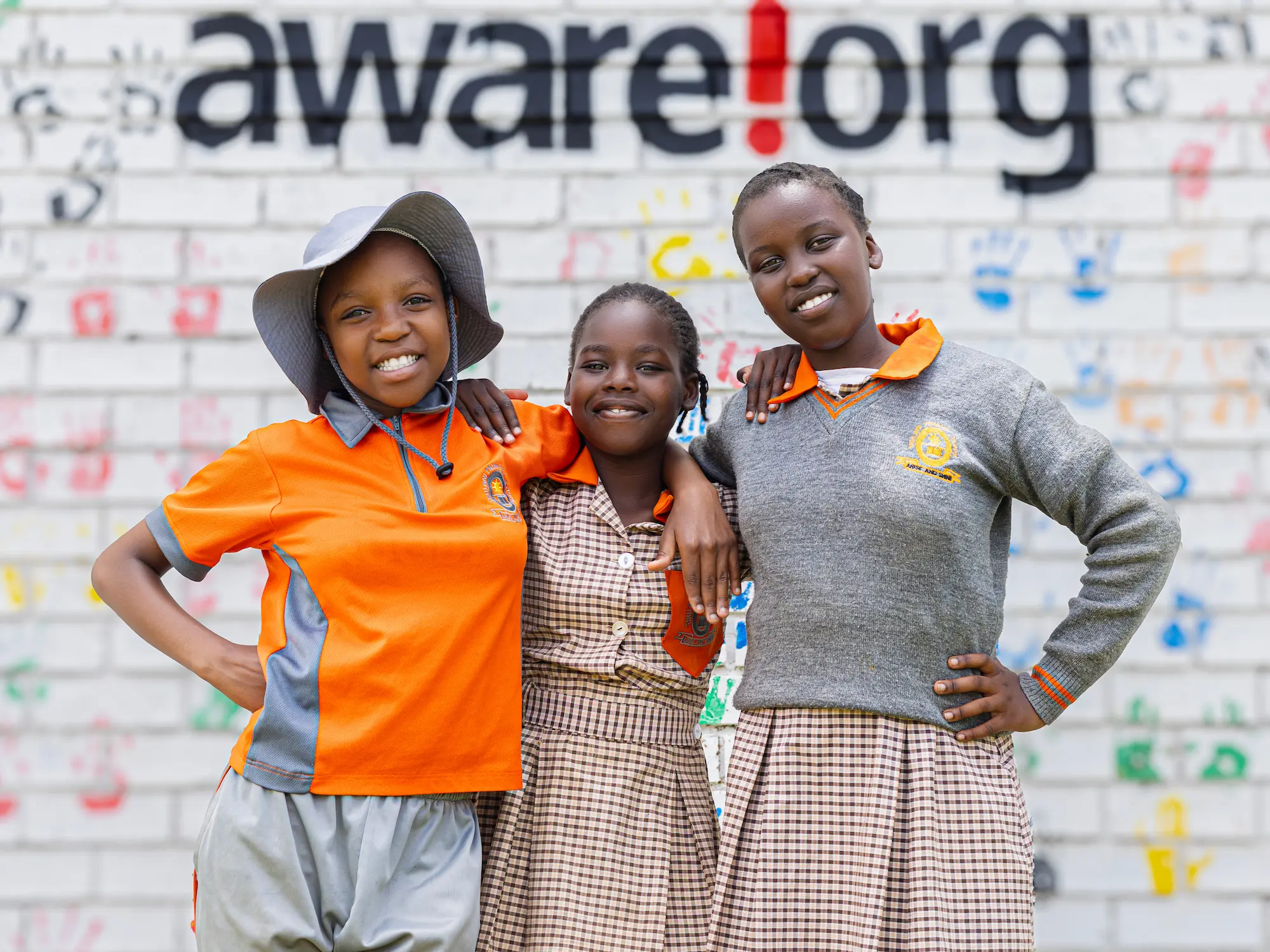
AWARE.org’s #NOtoU18 pillar is grounded in these insights. The programme combines school-based interventions, participation in sports and creative arts, and access to positive role models, all recognised as strong protective factors against early alcohol use. Together, these elements build refusal skills and deepen awareness of alcohol-related harm.
Under the #NOtoU18 initiative, the pillar targeting awareness through sport and education aimed to reach 110,000 learners with various sporting codes and alcohol-related content. In practice, the campaign exceeded expectations, reaching 199,251 learners, along with 17,500 parents and 41 teachers, providing education and raising awareness about the dangers of underage drinking. The impact of the intervention was significant: 73% of learners demonstrated knowledge of alcohol-related content, 85% expressed an intention to abstain from or reduce alcohol consumption, and 86% reported feeling capable of resisting peer pressure to drink. In the rehabilitation pillar, the program targeted 317 children but reached 359 children, 215 parents, 411 educators, and 9,559 participants who signed a pledge to abstain from or reduce alcohol consumption while underage. This effort also achieved strong outcomes, with 70% demonstrating knowledge, 84% reporting the capacity to say no, and 73% intending to abstain or reduce alcohol consumption.
“To change behaviour, we must meet young people where they are. If we give them the skills and confidence to say no to alcohol, we protect their health today, and their potential tomorrow,” says Andrew Ross, pillar lead for #NOtoU18 and board member at AWARE.org.
“Research allows us to move beyond assumptions and focus on what genuinely shifts behaviour. When we align evidence with community partnerships, we see measurable impact, and that is where sustainable change begins,” adds Ross.
Addressing maternal and infant health
“Underage drinking and FASD prevention are often treated as separate issues, but the two intersect,” says Mokebe. “Early alcohol initiation increases risky behaviour. An unplanned pregnancy increases the likelihood of alcohol exposure to the fetus before pregnancy recognition. Continued alcohol use during pregnancy, in cases where dependency has developed, where there are no support structures, and young people are left without tools or means to remove themselves from the loop, increases the risk of FASD. Effective prevention requires intervention at each of these stages.”
AWARE.org's Sober Pregnancies pillar addresses this through early education, community awareness, and compassionate support for women, including those already in or planning pregnancy. In 2025, over 5,297 women were reached through direct programme delivery, with a further 29,651 reached indirectly through the collaboration with FARR. The Next Gen Mothers Programme continues to make a tangible difference. Of the 100 mothers who graduated, 95.8% increased their knowledge of FASD, 90% of the women responded “No” when asked if they planned to drink, based on what they had learned.
“Before joining the programme, I didn’t fully understand how alcohol could affect my baby. The support and information I received gave me the confidence to make healthier choices, and I feel more hopeful about my child’s future,” says Sizakele Khumalo, a mother who participated in the Next Gen Mothers Programme.
Looking ahead to 2026
Looking ahead to 2026, AWARE.org will extend its Sober Pregnancies work to all nine provinces, in partnership with public clinics targeting over 20,000 women aged 12 to 45. The #NOtoU18 pillar will integrate FASD education into its school-based curriculum, reaching 100,000 learners10,000 parentsand working in over 200 schools.
What this research shows is that South Africa's progress on alcohol-related harm will be measured not by any single programme or organisation, but by the collective choices of families, schools, healthcare workers, and policymakers. AWARE.org's role is to provide the research, the structures, and the partnerships that make those choices more informed and more accessible.
The evidence is clear: preventing alcohol-related harm begins long before pregnancy and long before adulthood. By addressing early alcohol experimentation, supporting adolescents with the skills to resist peer pressure, and providing compassionate support for women and families, meaningful change becomes possible. AWARE.org’s work demonstrates that when research, community partnerships, and education align, prevention becomes more than awareness—it becomes action that protects both current and future generations.

.jpg)