New research exposes the realities driving alcohol harm during pregnancy
- Findings highlight the overlooked realities keeping prevention efforts from translating into behavioural change.
- Poverty, trauma, stigma, and social norms continue to fuel risk and limit prevention efforts.
- Fetal Alcohol Spectrum Disorder (FASD) is a community challenge, not simply a maternal issue.
Johannesburg, 4 June 2026: South Africa’s response to alcohol harm during pregnancy is failing to translate awareness into meaningful behaviour change, according to new research released by AWARE.org examining the realities driving Fetal Alcohol Spectrum Disorder (FASD).
The 2026 Sober Pregnancies Report, commissioned by the organisation through Frontline Research Group, found that while most South Africans understand that drinking during pregnancy is harmful, alcohol consumption during pregnancy remains deeply normalised in many communities, exposing a major disconnect between awareness and action.
Conducted across all nine provinces, the research found that 56% of respondents had personally seen pregnant women consuming alcohol in their communities. The findings also uncovered widespread misconceptions around alcohol use during pregnancy.
More than a third of respondents believe alcohol-related harm in babies can be cured through traditional medicine or treatment if identified early, while 45% believe children can outgrow FASD.
One in five respondents believe the placenta protects unborn babies from alcohol exposure, while 20% believe illicit or home-brew alcohol is less harmful during pregnancy. Nearly one in four respondents also believe there are stages of pregnancy where alcohol can be consumed safely.
“These findings point to a much bigger issue than individual behaviour. They reveal a social and structural environment where alcohol harm during pregnancy continues to be normalised, enabled and misunderstood,” says Mokebe Thulo, CEO of AWARE.org. “If awareness alone was enough, South Africa would not continue to see some of the highest FASD rates in the world. We need to confront the social conditions, misinformation, and lack of support that continue to place mothers and babies at risk.”
According to Lange et al. (2017), South Africa has the highest estimated prevalence of Fetal Alcohol Spectrum Disorders (FASD) globally, at approximately 11.1% (111.1 per 1,000 population), compared to global prevalence estimates of around 1%. In some high-risk communities, prevalence estimates have reached as high as 31%, highlighting the ongoing need for targeted prevention, education, and support initiatives.
Financial vulnerability emerged as one of the strongest drivers of risk, with 70% of respondents identifying financial stress as one of the biggest challenges facing expectant mothers. More than half also cited a lack of partner support as a major concern.
While 78% of respondents said they were aware that drinking during pregnancy could cause disabilities or health complications, only a small proportion could accurately identify FASD or explain its symptoms, reinforcing the gap between awareness and informed understanding.
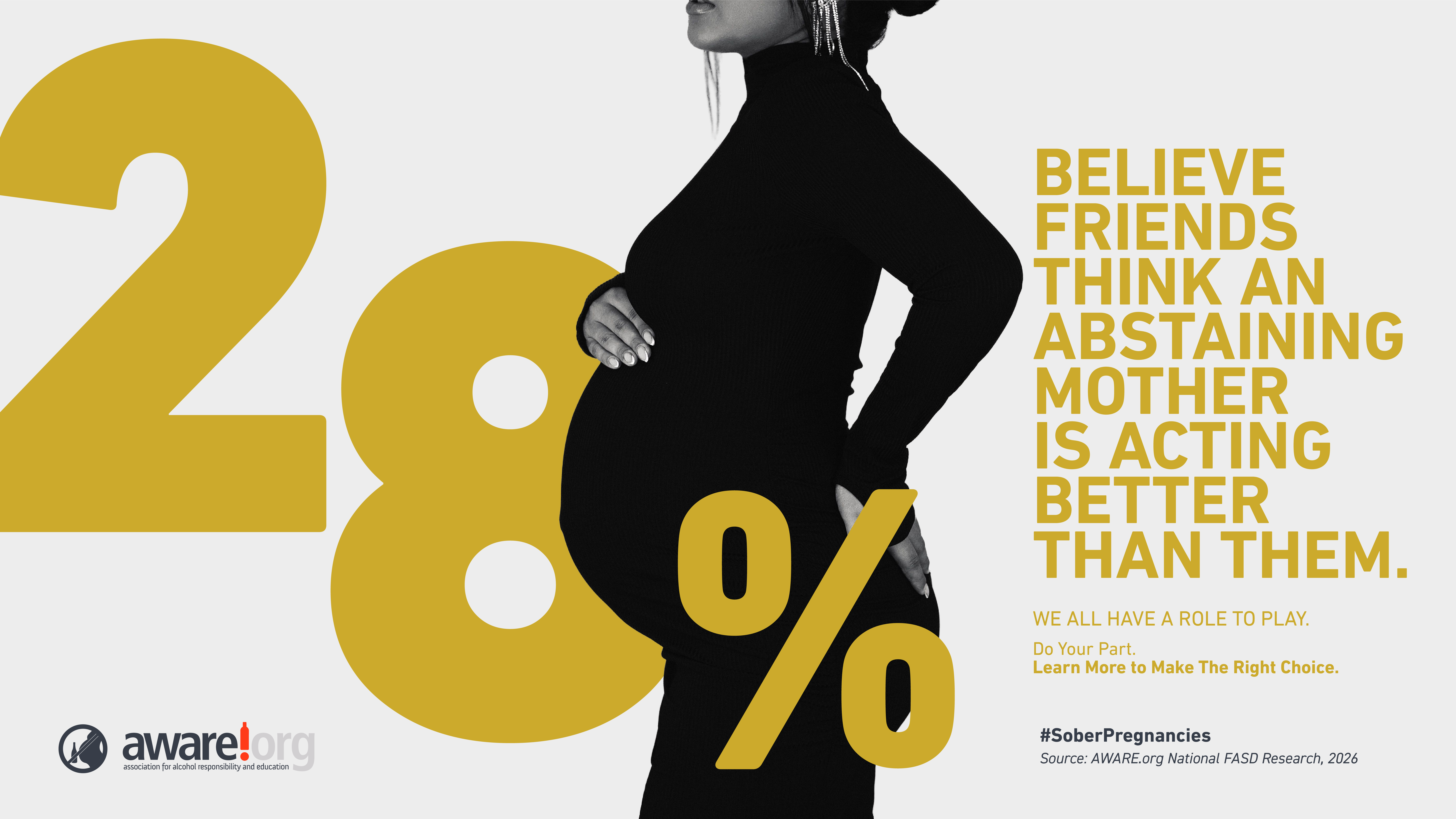
The findings also highlight the powerful role social environments and community norms play in reinforcing harmful behaviour. Family and friends often continue drinking around pregnant women, while some actively encourage alcohol use to reduce stress or maintain social connection. In some communities, abstaining during pregnancy is viewed as socially isolating.
“The responsibility for preventing alcohol harm during pregnancy does not rest solely with pregnant women,” says Thulo. “Families, communities, healthcare providers, policymakers, civil society and industry all have a role to play. Without stronger interventions that address the realities women face, we will continue to see preventable harm passed from one generation to the next.”
AWARE.org says the findings will inform stronger prevention efforts focused on education, community support and practical interventions that reflect the lived realities of women and families.
For more information on the research and AWARE.org’s initiatives, visit AWARE.org.
Notes to the editor
The AWARE.org 2026 Sober Pregnancies Research was conducted by Frontline Research Group during the first quarter of 2026. The nationally representative study gathered insights from South Africans across all nine provinces. through a combination of online and face-to-face interviews conducted in English, Afrikaans, isiZulu, Sesotho and Sepedi, with representation from urban, peri-urban and rural communities.
The research explored public perceptions, social drivers, community norms, misinformation, support structures and awareness relating to alcohol consumption during pregnancy and Fetal Alcohol Spectrum Disorder (FASD).
The findings make it clear that preventing alcohol harm during pregnancy requires a whole-of-society response. Families, communities, healthcare providers, policymakers, civil society and industry all have a role to play in creating supportive environments for expectant mothers. By addressing misinformation, reducing stigma and strengthening practical community-based support, South Africa can move closer to preventing avoidable harm and protecting future generations.